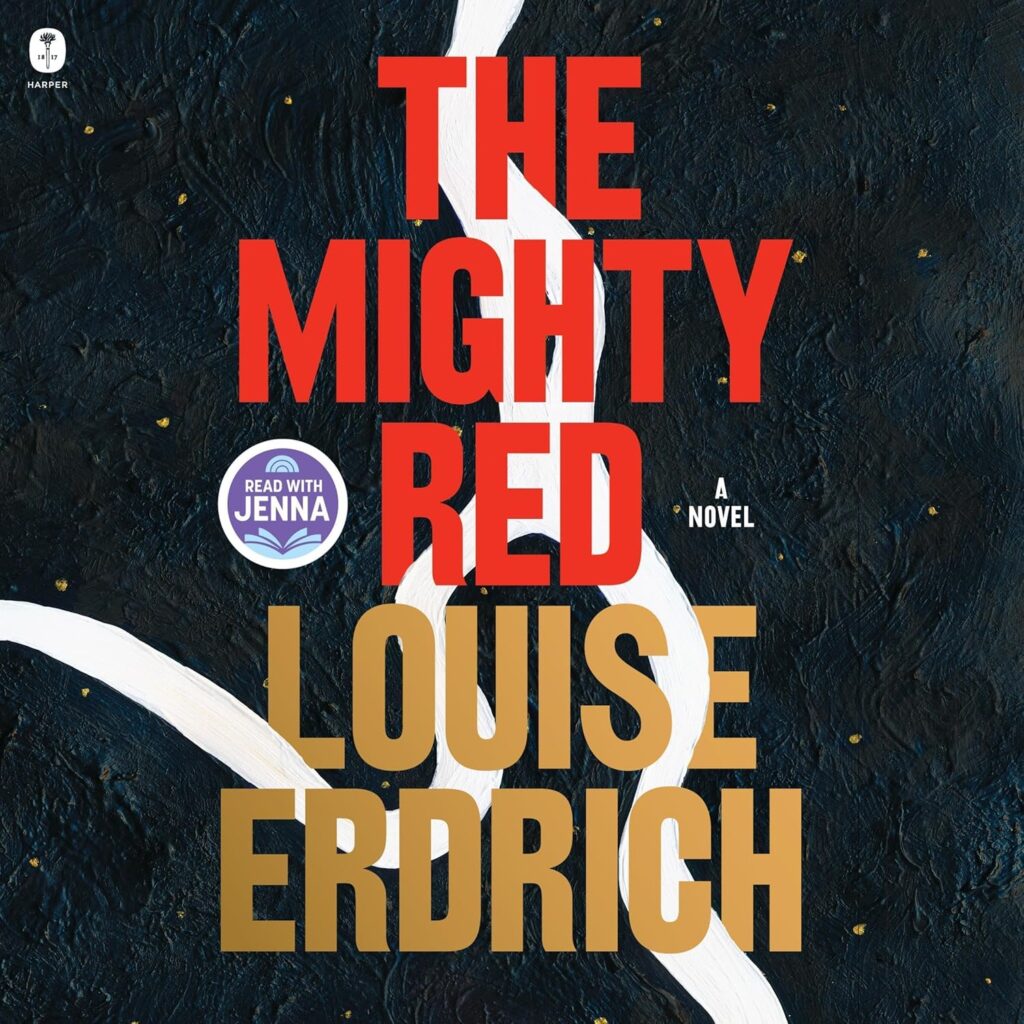
The Mighty Red is set in the farming community of Tabor, located in the Red River Valley. I grew up in Winnipeg, which is further north, but also along the Red. The Red River is a low-energy, suspended-sediment, mud-dominated, meandering stream. And so is this novel.
There’s no high-energy plot line here—although Martin, the failed drama teacher and investor, is assumed to have run off with the church renovation funds and appears to be operating small bank heists. This aspect of the story is tertiary to the main plot, which is the love triangle of teens Kismet, Hugo and Gary.
Kismet and Hugo are readers. They bond over their misfit status. Both are eager to move away and make something of themselves. Kismet is afraid. Hugo gives it a go but then retreats back to Tabor. They are like suspended sediment.
Gary, in contrast, is the well-liked football hero and heir to a successful sugar-beet farmer. But Gary isn’t that smart (not overtly smart, he does redeem himself later in the novel). Gary runs wild, has close calls, and his reckless behaviour leaves two friends dead. Gary’s family is well connected in the community but the lost of his friends and ostracization puts a lot of strain on him. The haunting ghost of his friend doesn’t help, but this doesn’t seem like a community with mental health supports. It’s Kismet who Gary believes is his talisman and he courts her with vigour until she agrees to marry him.
Kismet is a reluctant bride but she allows herself to be swept along and no adults step in to prevent the wedding, even though many, including her mother, wish to do so. It’s muddy waters.
I can’t really pin down what this novel is about. Is it about a girl who doesn’t want to get married, yet can’t convince herself to rise above her situation? Or is it about a girl who quietly triumphs despite the odds? Maybe both. There are interesting tensions throughout the novel between the Monsanto promise vs. natural farming practices; rich vs. poor families; extravagance vs. frugality; land ownership vs. rightful ownership. And like the Red River, sometimes the story spills over its banks but otherwise it meanders across a flat plain. Do I recommend it? Ugh, yes. I think I do. The characters feel genuine and their indecisions are real. There are no heroes here but there is a sense of triumph at the end.