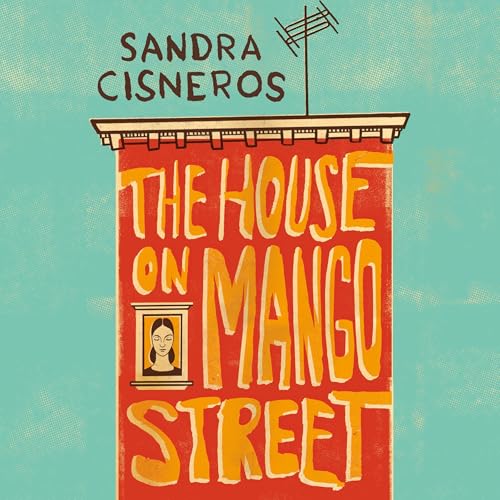
Originally published in 1984, The House on Mango Street is about 12-year-old Esperanza Cordero, a Latina growing up in a Hispanic quarter of Chicago. This modern classic is told in a series of vignettes that can be read together as a novel or as individual short stories. The stories are heartbreaking but also joyous as Esperanza grows up and realizes the inequalities between men and women, the poverty and powerlessness that some in her neighbourhood feel, the sense of cultural identity, pride and shame, and the hope and disappointment of the American dream.
My main takeaway was the question of how our families, neighbourhoods, and communities shape us, especially the place we call home. And the push and pull we feel growing up—”one day I will pack my bags of books and paper. One day I will say goodbye to Mango. One day I will go away.”
I knew then I had to have a house. A real house. One I could point to. But this isn’t it. The house on Mango Street isn’t it. For the time being, Mama says. Temporary, says Papa. But I know how those things go.
In 2024, Sandra Cisneros celebrated the 40th anniversary of the novel.
There are many little magical moments in this book. The language is playful and feels like stream-of-consciousness writing from the 12 year old’s perspective. It’s definitely charming and I can see why it’s become a sought out book for American literature studies.